
Cura delle ferite
Filtri
18 prodotti











Learn more about this category
Cura delle ferite e primo soccorso - Medicazioni e forniture di grado medicale
Una corretta cura delle ferite è essenziale per la guarigione e la prevenzione delle infezioni. Le nostre forniture per la cura delle ferite di grado medicale includono cerotti sterili, bende professionali, nastro adesivo Hypafix e guanti protettivi. Supportano la guarigione delle ferite in ospedali, cliniche, assistenza domiciliare e contesti di primo soccorso.
Cerotti sterili e bende
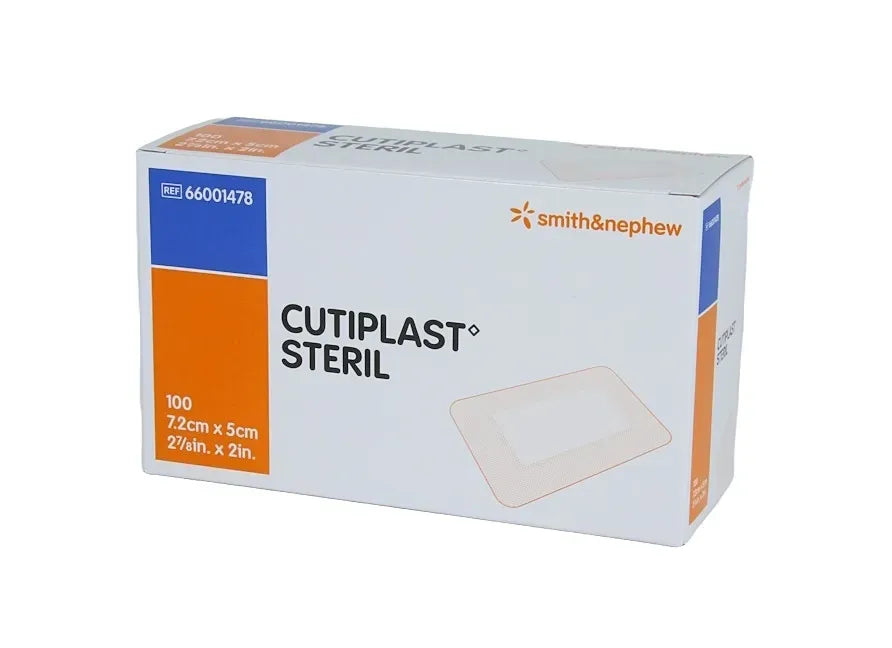
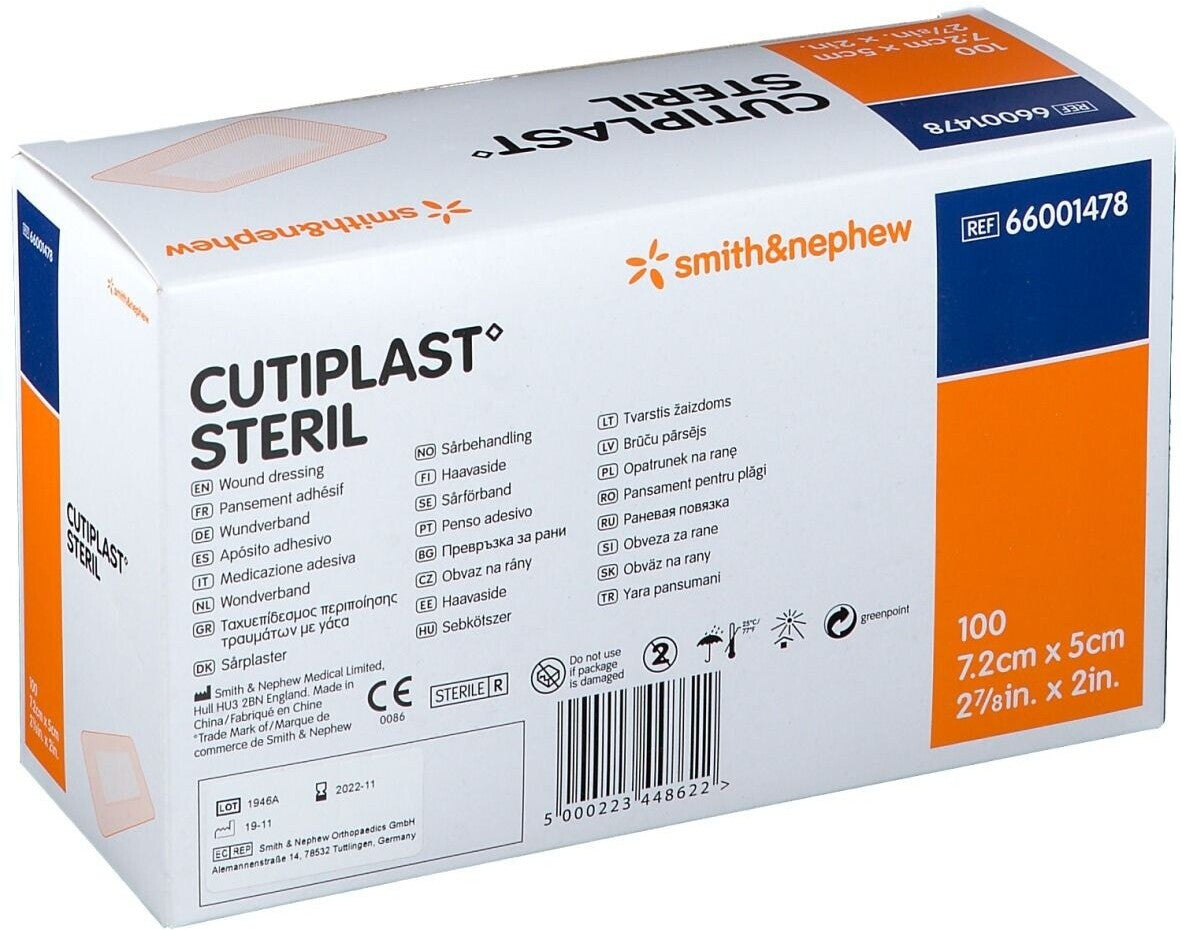
Medicazioni sterili e ipoallergeniche adatte per ferite minori, tagli ed escoriazioni. I materiali traspiranti favoriscono la guarigione prevenendo la contaminazione. Adatti per pelli sensibili e per un uso prolungato.
Nastro adesivo professionale e fissaggio
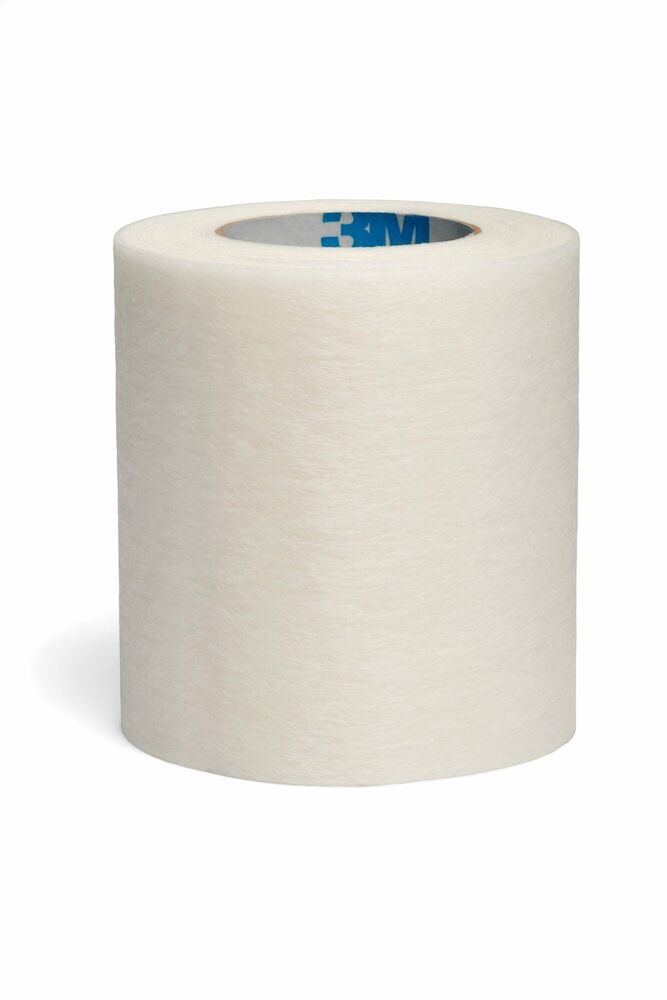
Hypafix e i nastri adesivi di grado medicale offrono un fissaggio sicuro della ferita senza irritare la pelle. Adatti per fissare medicazioni, cannule e tubi medicali. La rimozione delicata preserva l'integrità cutanea.
Guanti in lattice e protettivi
Guanti in lattice sterili e non sterili in varie misure per supportare il controllo delle infezioni in contesti clinici e domiciliari. Sono disponibili alternative senza lattice per soggetti allergici. Essenziali per tutte le procedure di cura delle ferite.
Gestione completa delle ferite
Una gamma completa di prodotti per supportare la cura delle ferite acute, la gestione delle ferite croniche e la guarigione post-operatoria. Forniture professionali per operatori sanitari e caregiver domiciliari.
Frequently Asked Questions
How often should I change a wound dressing?
As a general rule, change your wound dressing every 1 to 3 days, or sooner if it becomes wet, soiled, or starts to peel off. Modern dressings like Mepilex foam dressings or Tegaderm transparent films can often remain in place for several days, as they are designed to maintain an optimal moist wound environment. Always follow the specific manufacturer instructions and consult a healthcare professional if you are unsure about the appropriate change frequency for your wound type.
What is the difference between Steri-Strip and Leukostrip?
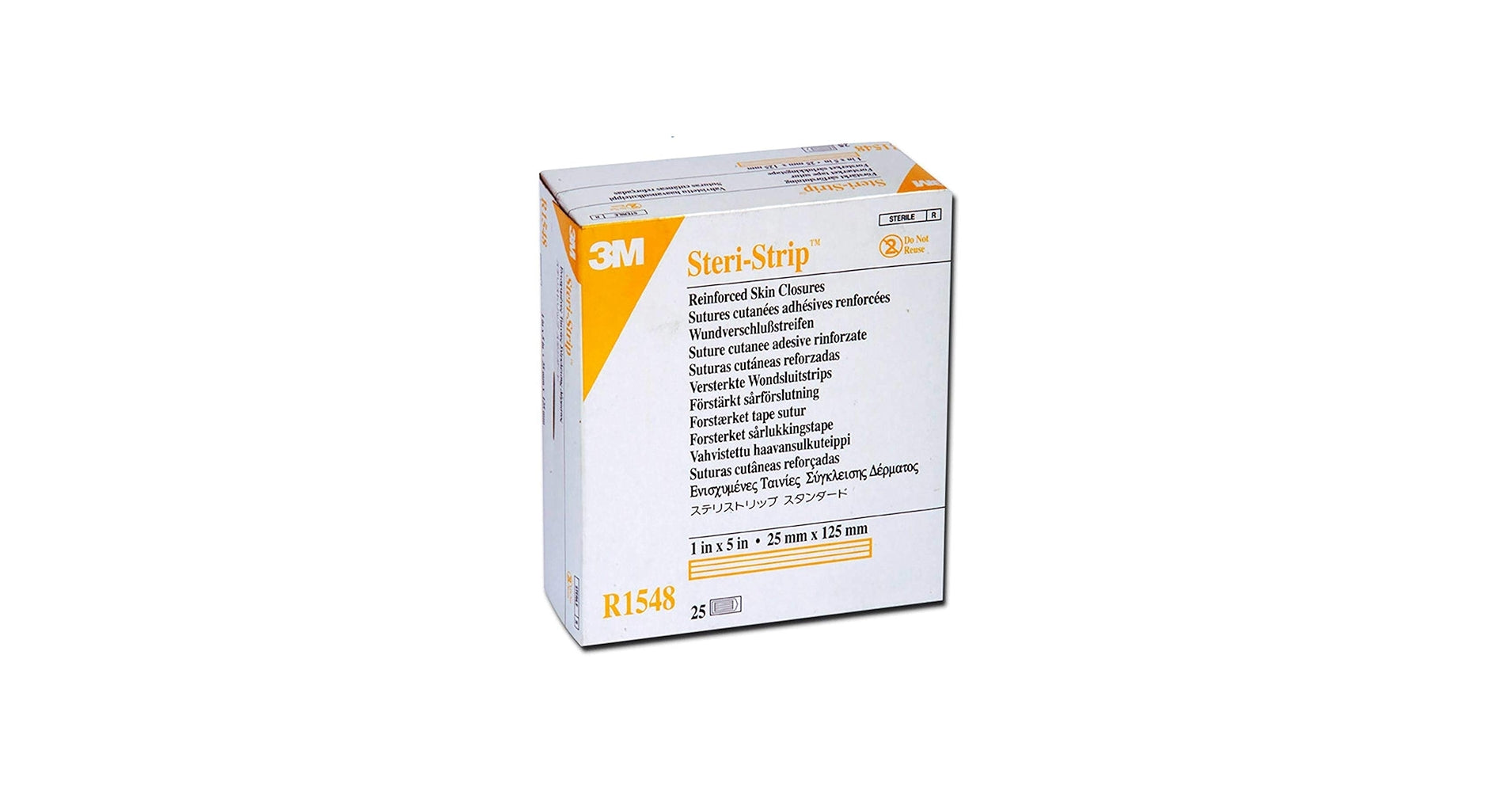
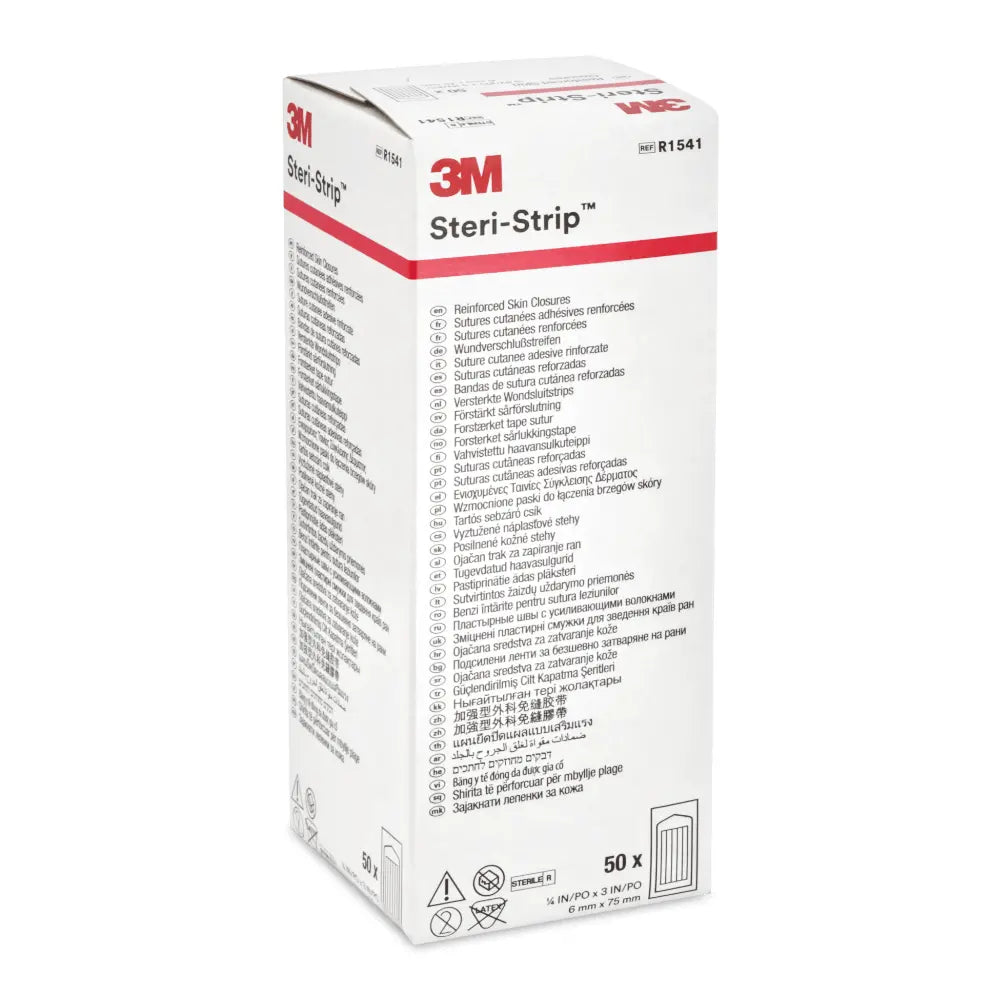
Both Steri-Strip (by 3M) and Leukostrip (by BSN medical/Leukoplast) are adhesive wound closure strips used to bring wound edges together without sutures. The main differences lie in the adhesive technology, strip material, and available sizes. Steri-Strips use a proprietary reinforced adhesive backing and are widely used in hospitals worldwide, while Leukostrips offer a high-quality alternative with reliable adhesion. Both products are suitable for closing clean, linear wounds and for post-surgical wound support — the choice often comes down to clinician preference and availability.
When should I see a doctor instead of self-treating a wound?
You should seek medical attention if the wound is deep or gaping, bleeding does not stop after 10 to 15 minutes of firm pressure, you can see underlying structures such as fat, muscle, or bone, the wound was caused by an animal bite or a dirty or rusty object, or you notice signs of infection such as increasing redness, swelling, warmth, pus, or fever. Additionally, consult a doctor if your tetanus vaccination is not current or if the wound has not shown clear improvement within two weeks of home care.
Which dressing is suitable for exuding wounds?
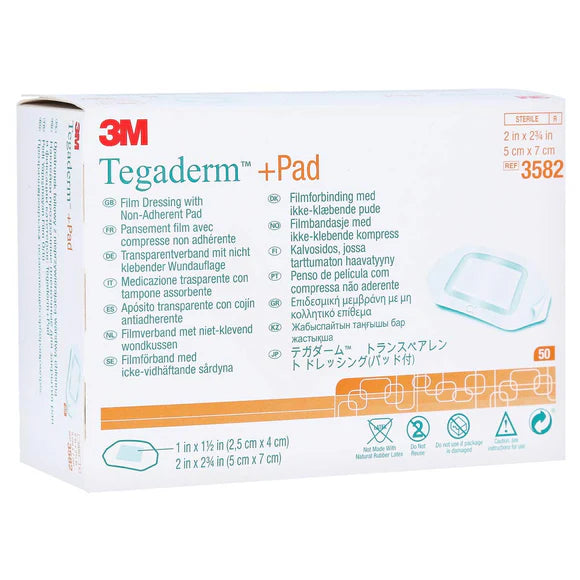
For moderately to heavily exuding wounds, foam dressings such as Mepilex Conformable are the recommended choice. Their absorbent foam core manages excess wound fluid while maintaining the moist environment needed for optimal healing. For lighter exudate, 3M Tegaderm Plus Pad combines a transparent film with an absorbent pad. It is important to choose a dressing that matches the exudate level — too much absorption can dry out the wound bed, while too little can lead to maceration of the surrounding skin.
Are your wound care products suitable for sensitive skin?
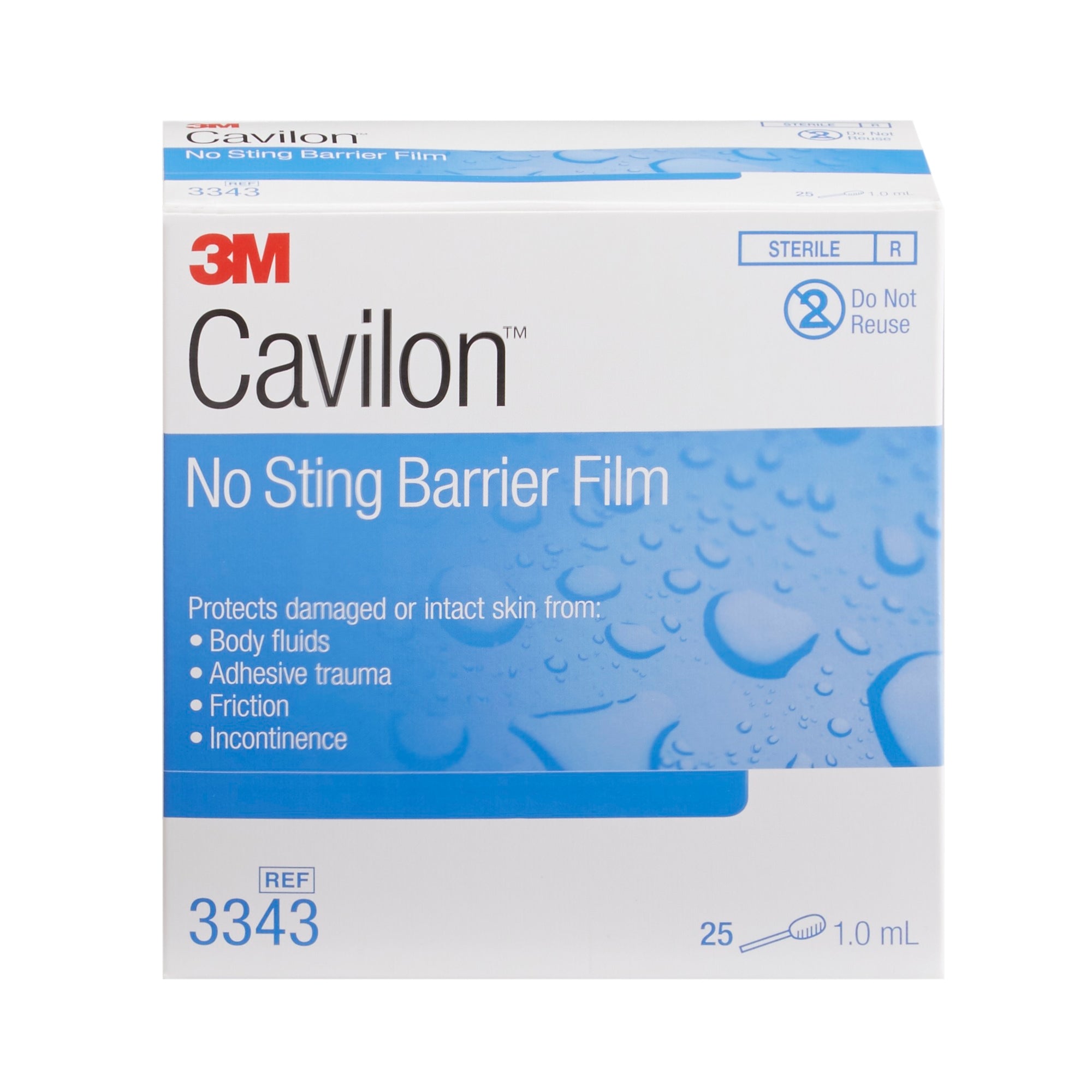
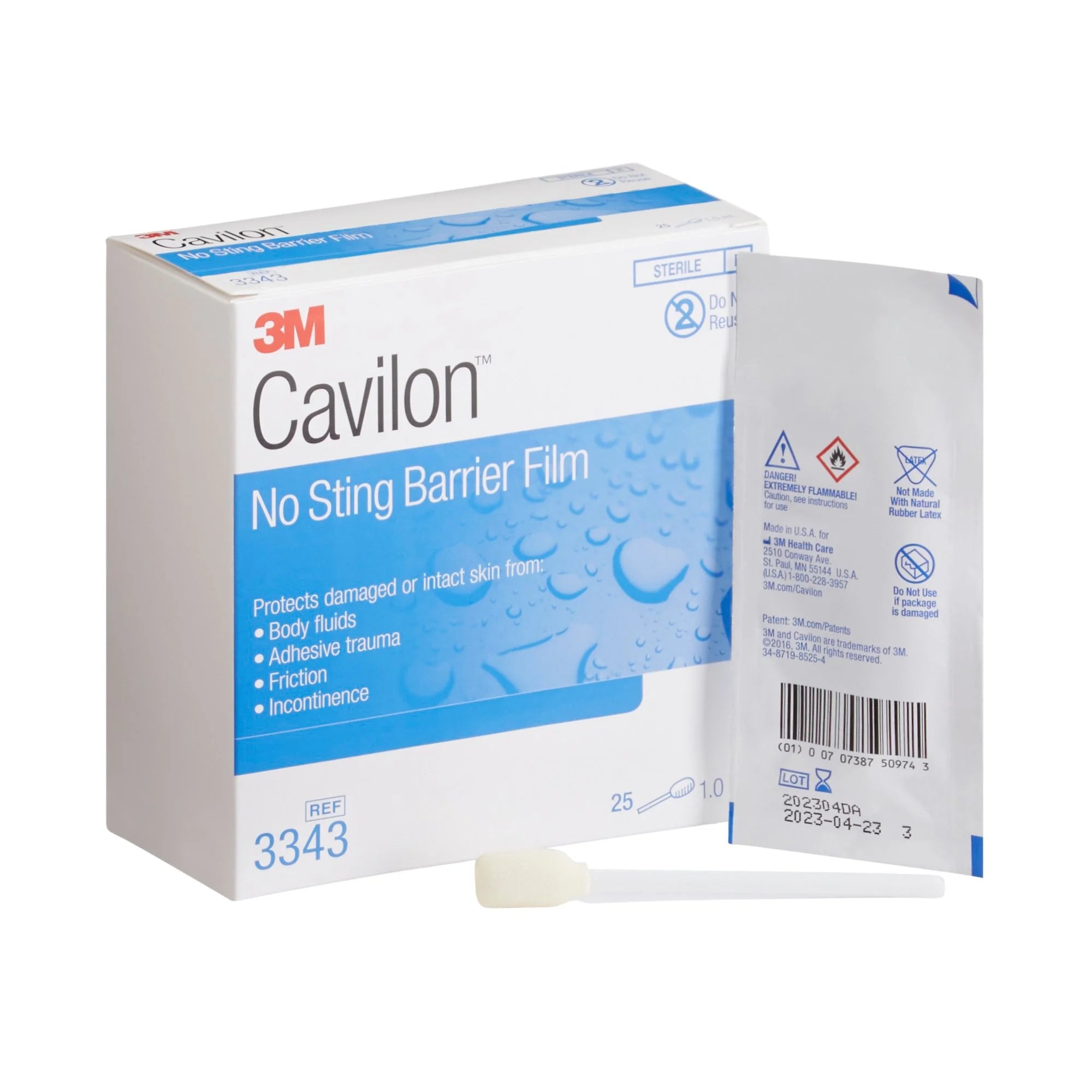
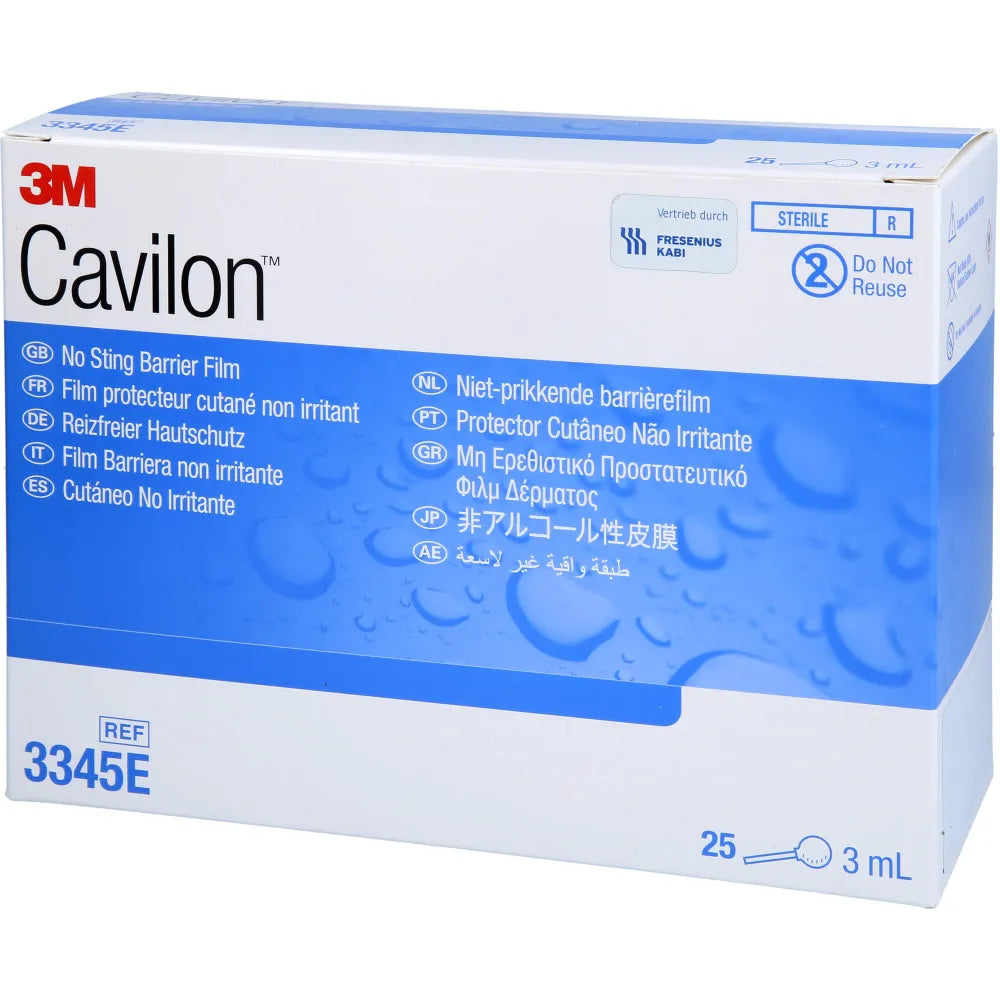
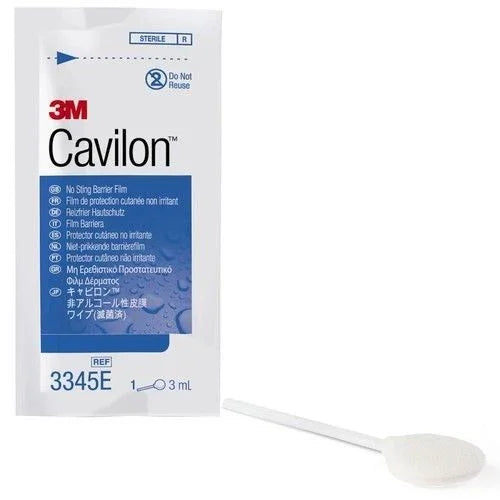
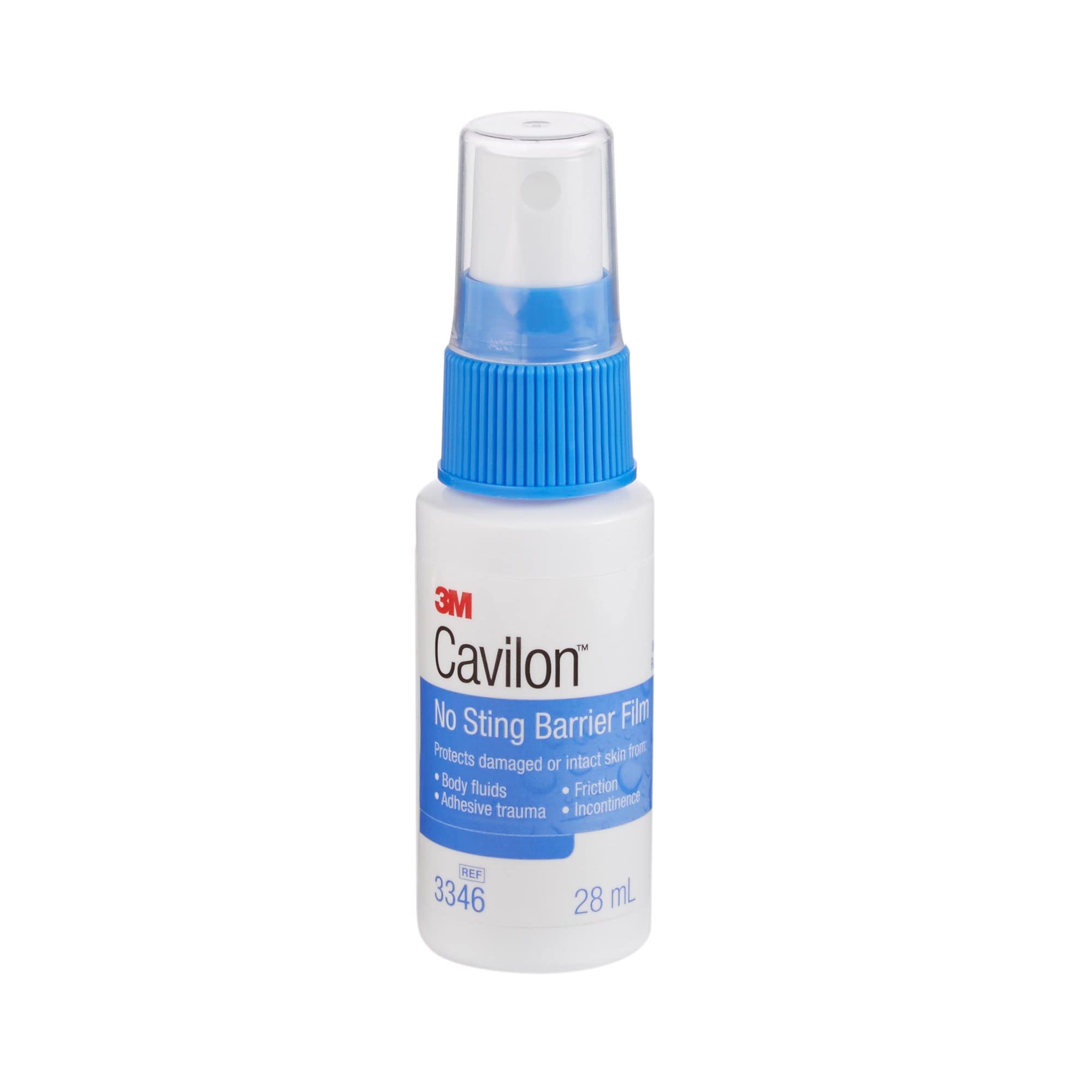
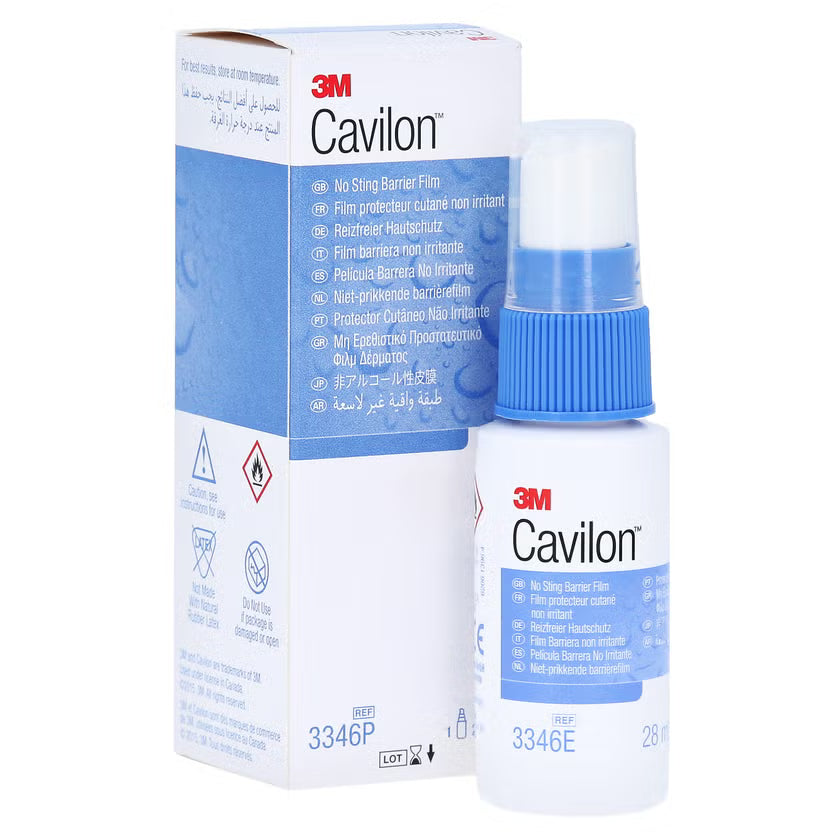
Yes, many of our wound care products are specifically designed for sensitive or fragile skin. 3M Micropore S uses a gentle silicone adhesive that minimises skin irritation during removal, while Mepilex dressings feature Safetac silicone technology for atraumatic dressing changes. Cavilon No-Sting Barrier Film is alcohol-free and can be applied to damaged skin without causing stinging or discomfort. If you have known skin sensitivities or allergies, we recommend consulting a healthcare professional to select the most appropriate products for your needs.
What is Cavilon skin protection and when do I need it?
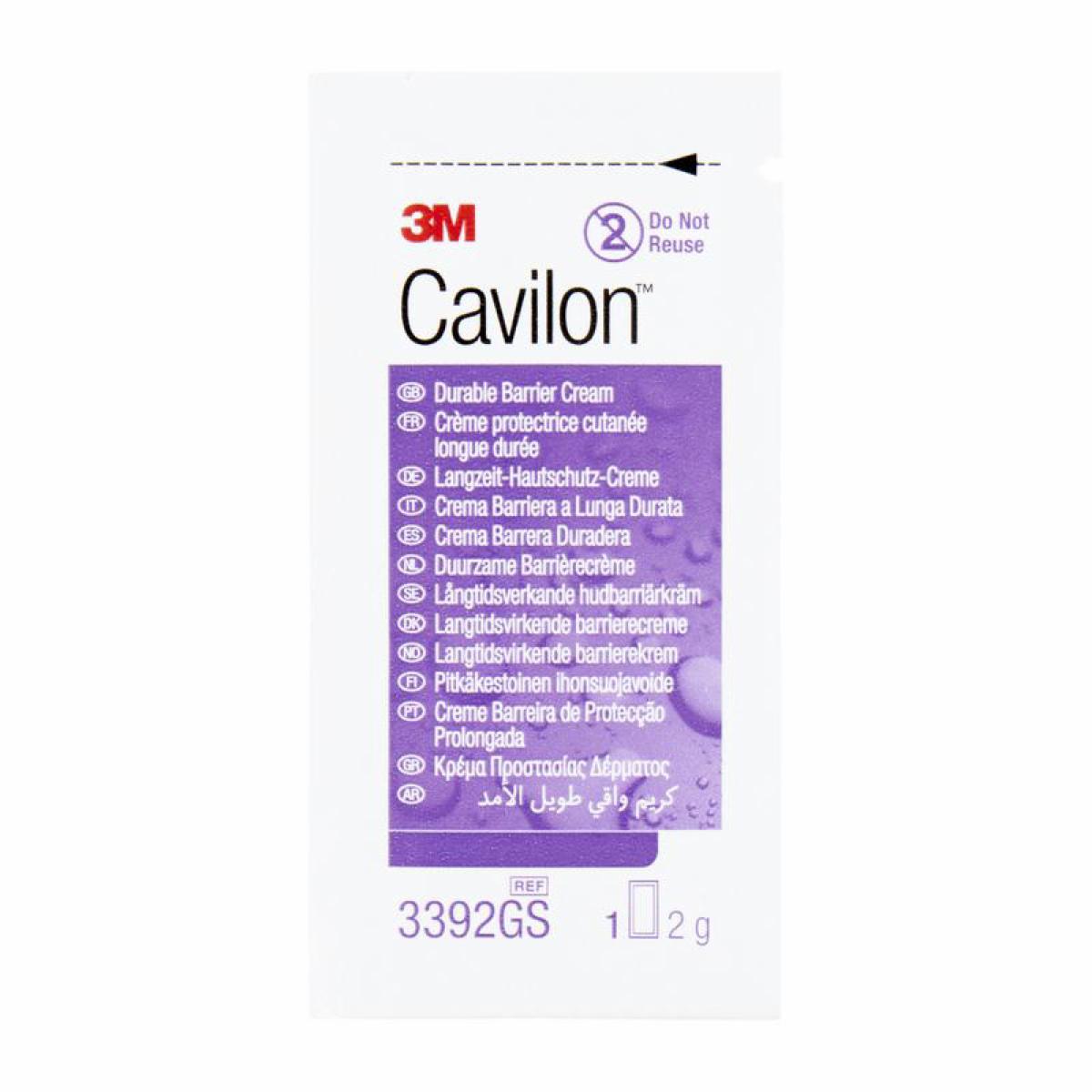
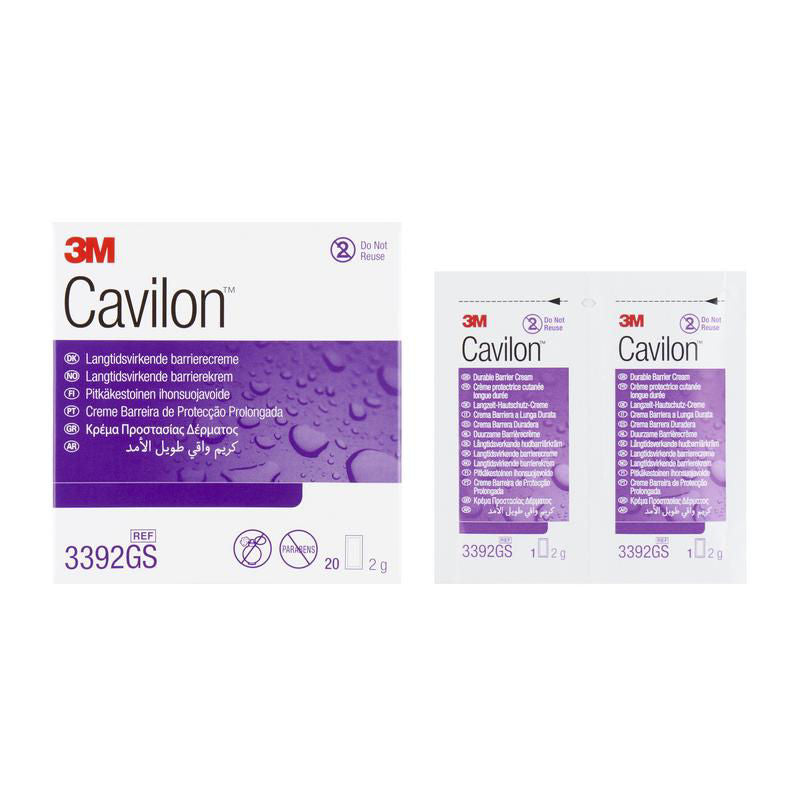
3M Cavilon is a range of skin protection products designed to form a breathable, transparent barrier on the skin. The No-Sting Barrier Film protects intact or damaged skin from irritation caused by adhesive tapes, wound exudate, or body fluids — without any stinging on application. The Long-Term Skin Protection Cream provides durable moisture barrier protection for up to 72 hours. You should consider using Cavilon when patients experience skin irritation from frequent dressing changes, when managing incontinence-associated dermatitis, or whenever the peri-wound skin needs protection from maceration.
Can I order wound care supplies on invoice?
Yes, registered B2B customers can order all wound care products on invoice with flexible payment terms. This option is available for medical practices, clinics, hospitals, care facilities, and other healthcare businesses. To access invoice payment and exclusive net pricing, simply apply for a B2B account on our website. Approval is typically processed within one business day.
How do I store sterile wound dressings correctly?
Store sterile wound dressings in a cool, dry place away from direct sunlight, ideally at room temperature between 15 and 25 degrees Celsius. Keep products in their original sealed packaging until use to maintain sterility. Always check the expiry date before applying a dressing — expired products may have compromised sterility or reduced adhesive performance. Avoid storing dressings in bathrooms or other humid environments, as moisture can damage packaging seals over time.